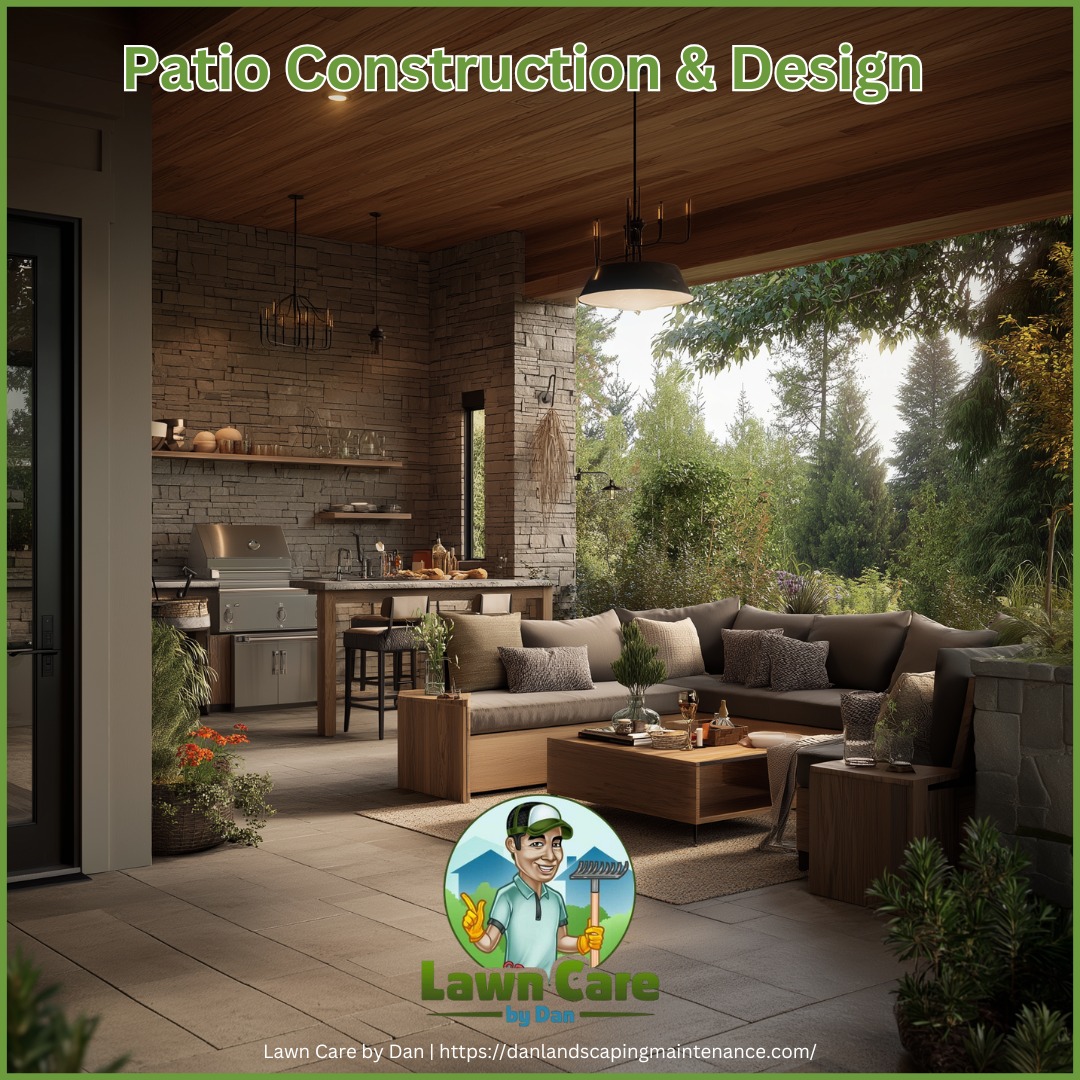
Patio construction transforms ordinary backyard spaces into stunning outdoor living areas that extend your home’s functionality while adding significant property value.
This comprehensive process involves careful planning, material selection, and skilled installation to create durable, beautiful spaces that withstand weather extremes while providing years of enjoyment for family gatherings and entertaining.
What Are the Most Popular Materials for Patio Design?
Choosing the right materials forms the foundation of successful outdoor projects. Each option offers unique benefits in terms of durability, maintenance requirements, and aesthetic appeal.
Concrete Patios and Stamped Options
Concrete patios offer versatile, cost-effective solutions for outdoor flooring. Stamped concrete mimics natural stone, brick, or tile patterns while maintaining concrete’s durability and lower maintenance requirements. Professional concrete sealing protects surfaces from weather damage, staining, and freeze-thaw cycles that can cause cracking over time.
Paver Installation and Natural Stone
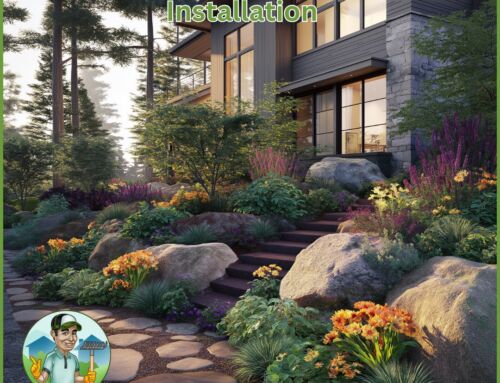
Patio pavers offer unlimited design possibilities through a range of colors, textures, and laying patterns. These individual units allow for easy repairs if damage occurs, unlike solid concrete surfaces. Natural stonework provides timeless elegance that complements traditional and contemporary architectural styles while offering excellent durability in all climates.
Composite and Wood Decking Options
Composite decking combines recycled materials with modern technology to create surfaces that resist moisture, insects, and fading. Unlike natural wood, composite materials require minimal maintenance while providing a consistent appearance over time. Traditional wooden deck maintenance includes regular staining or sealing to protect against weather damage and extend lifespan.
How Do You Plan Outdoor Living Spaces for Maximum Functionality?
Effective planning ensures outdoor areas meet your family’s specific needs while integrating seamlessly with existing landscape design and architectural features.
Space Layout and Traffic Flow
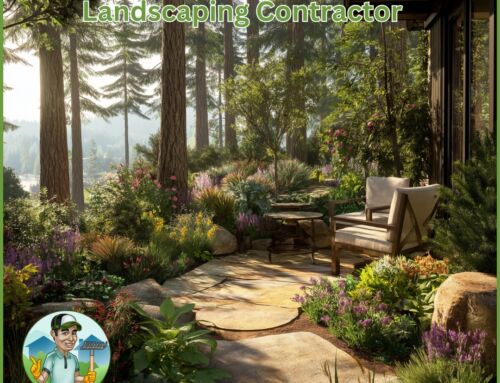
Successful outdoor living spaces accommodate multiple activities simultaneously. This might include dining areas near outdoor kitchens, conversation spaces around fire pits, and quiet reading nooks in partially shaded locations. Professional designers consider sight lines, privacy needs, and connections to indoor spaces when developing layout plans.
Integration with Garden Structures
Pergola construction adds vertical interest while providing partial shade for dining and relaxation areas. These structures support climbing plants that create natural shade over time. Garden structures such as arbors and trellises define distinct outdoor zones while maintaining visual flow throughout the space.
What Role Does Hardscaping Play in Patio Projects?
Hardscaping elements provide essential structure and functionality that complement paving surfaces and outdoor living features.
Retaining Walls and Drainage Solutions
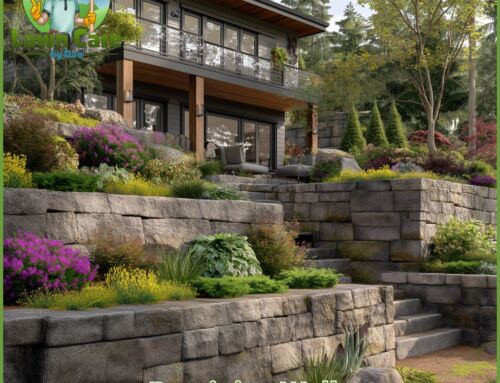
Retaining walls solve slope challenges while creating level areas for patio installation. These structures also provide opportunities for integrated seating, planters, and lighting features. Proper drainage solutions prevent water damage to patio surfaces and surrounding foundations while protecting against soil erosion that can undermine structural integrity.
Masonry Work and Stonework Details
Professional masonry work includes bricklaying for accent walls, planters, and outdoor kitchen foundations. Skilled stonework creates elegant edges, steps, and decorative features that tie patio areas into the surrounding landscaping. Quality craftsmanship in these details significantly impacts overall project appearance and longevity.
How Do You Incorporate Outdoor Kitchens and Entertainment Features?
Modern outdoor spaces increasingly include full kitchen facilities and entertainment amenities that rival indoor counterparts.
Kitchen Planning and Installation
Outdoor kitchens require careful planning for utilities, storage, and weather protection. Grill stations form the centerpiece, but complete facilities might include refrigeration, sinks, and ample counter space for food preparation. Professional installation ensures proper ventilation, electrical connections, and gas line safety.
Fire Features and Lighting
Fire pits create focal points that extend outdoor season use while providing gathering spaces for family and guests. Outdoor lighting enhances safety while showcasing patio features and surrounding plant selection. Properly designed lighting systems include pathway illumination, task lighting for cooking areas, and ambient lighting for entertaining.
What Construction Challenges Require Professional Expertise?
Complex patio projects involve technical considerations that require experienced contractors and proper planning to ensure long-term success.
Site Preparation and Foundation Work
Proper site preparation includes soil analysis, grading for drainage, and excavation to appropriate depths. Foundation work must account for local freeze-thaw cycles, soil conditions, and load requirements for heavy features such as outdoor kitchens or pergola installations. Inadequate preparation leads to settling, cracking, and premature failure.
Utility Integration and Permits
Many patio projects require electrical work for lighting and appliances, plumbing for outdoor kitchens, and gas lines for grills and fire features. Professional contractors understand local building codes and permit requirements, ensuring safe, legal installations. They also coordinate utility installations with other construction phases to minimize disruption and costs.
How Do You Choose Patio Furniture and Shade Solutions?
Selecting appropriate furnishings and shade options maximizes comfort and usability throughout different seasons and weather conditions.
Furniture Materials and Durability
Patio furniture must withstand constant exposure to the elements while maintaining its appearance and functionality. Materials such as teak, aluminum, and weather-resistant wicker offer a range of aesthetic options with proven outdoor performance. Consider storage requirements for cushions and accessories during harsh weather periods.
Pergolas and Shade Structures
Pergola installation provides architectural interest while offering customizable shade options. These structures support retractable canopies, climbing vines, or fixed roofing materials, depending on desired coverage levels. Shade solutions significantly extend comfortable outdoor time during hot summer months.
What Maintenance Should You Plan for Long-Term Success?
Understanding ongoing care requirements helps protect your investment and ensure continued enjoyment of your outdoor spaces.
Regular concrete sealing maintains surface appearance and prevents moisture damage. Paver surfaces benefit from periodic cleaning and joint resanding to prevent weed growth and maintain stability. Wooden elements require seasonal inspection and treatment to prevent decay and insect damage.
Creating Your Dream Patio Construction Project
Professional patio construction combines technical expertise with design vision to create outdoor spaces that enhance daily life while providing lasting value.
From initial site analysis and material selection through final installation and finishing touches, experienced contractors ensure projects meet both aesthetic goals and performance requirements.
Whether your vision includes simple concrete surfaces or elaborate outdoor kitchens with pergola coverage, proper planning and skilled execution create outdoor living spaces that provide decades of enjoyment and significantly increase property value.
Frequently Asked Questions
How long does patio construction take?
Most residential patios take 1-2 weeks to complete, depending on size, materials, and weather conditions.
What’s the best material for my patio?
The best choice depends on your budget, style preferences, and maintenance tolerance. Concrete offers affordability, pavers provide design flexibility, and natural stone delivers premium appeal.
Do I need permits for patio construction?
Most basic patios don’t require permits, but check local codes. Permits may be required for electrical work, plumbing, or structures such as pergolas.
How much does patio construction cost?
Costs range from $10-15 per square foot for basic concrete to $20-40+ per square foot for premium pavers or natural stone.
Can I build a patio myself?
Simple projects are possible for DIY enthusiasts, but complex installations with drainage, utilities, or structural elements require professional expertise.
How do I maintain my new patio?
Regular cleaning, prompt stain removal, and periodic sealing (for concrete) or re-sanding (for pavers) will keep your patio looking great for years.