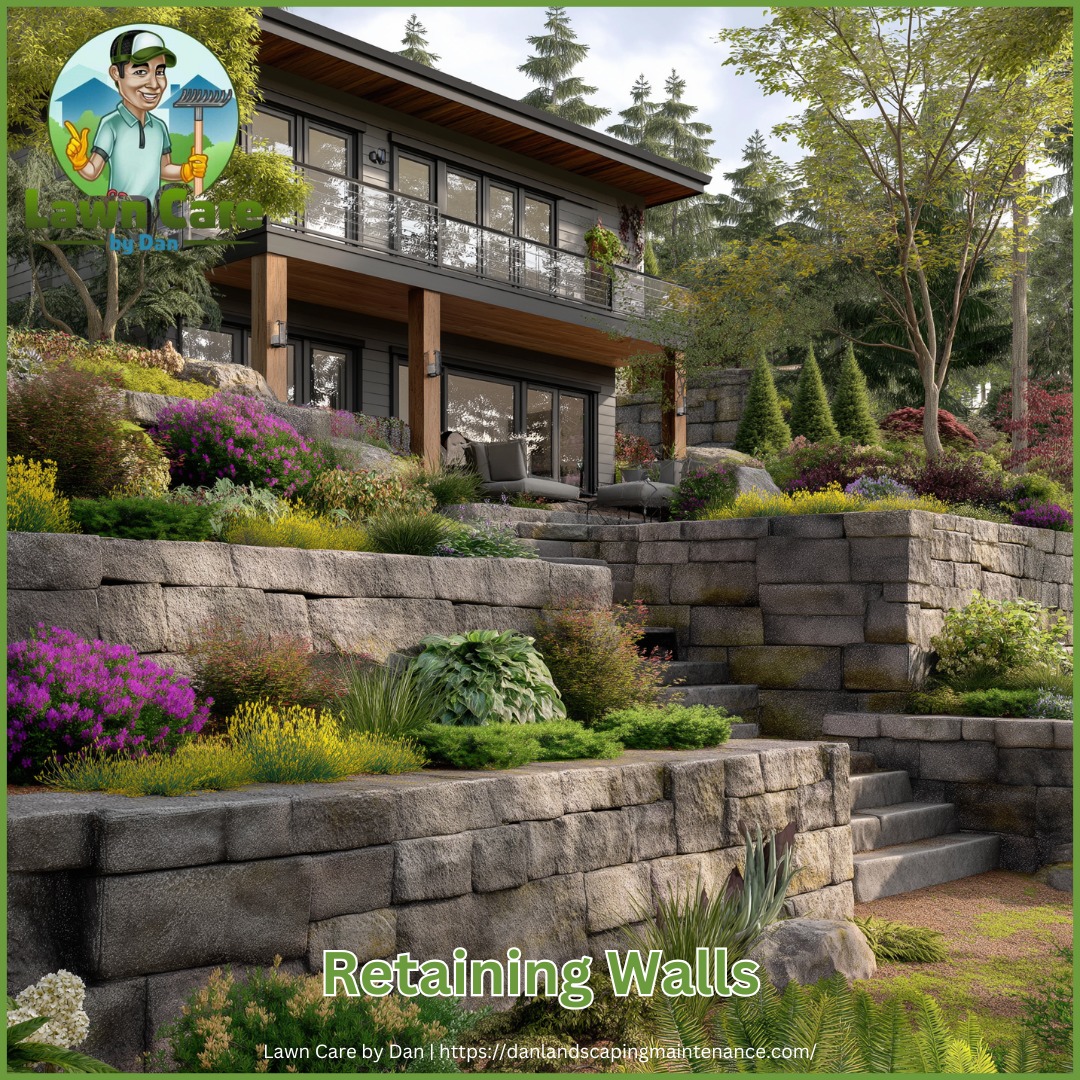
 Retaining walls are essential structural elements that prevent soil erosion and create usable terraced spaces in sloped landscapes. These engineered solutions combine practical erosion control with aesthetic appeal, transforming challenging topography into functional outdoor living spaces through strategic drainage systems and appropriate construction materials.
What Are the Primary Functions of Retaining Wall Systems?
Understanding the multiple roles these structures serve helps property owners appreciate their importance beyond simple landscaping enhancement.
Erosion Control and Soil Stabilization
The primary function is to prevent soil movement on slopes where natural vegetation alone cannot provide adequate slope reinforcement. Without proper soil stabilization, rainfall and irrigation can erode valuable topsoil, creating hazardous conditions and property damage. Professional installations typically include geotextiles that reinforce soil structure while allowing water to flow through the system.
Foundation Support and Structural Stability
Well-designed walls provide crucial foundation support for adjacent structures, driveways, and pathways. They transfer loads from retained soil to stable foundation materials, preventing settlement that could damage buildings or hardscaping features. Load-bearing capacity calculations ensure structures can handle both soil pressure and additional loads from vehicles or equipment.
Which Construction Materials Work Best for Different Applications?
Material selection depends on wall height, soil conditions, drainage requirements, and aesthetic preferences within overall landscape architecture plans.
Concrete Block Systems
Concrete blocks offer versatile solutions for most residential applications. Modern masonry units include interlocking designs that simplify installation while providing excellent structural integrity. Cinder blocks work well for utility walls, while decorative concrete units complement garden design themes and architectural styles.
Natural Stone and Gabion Walls
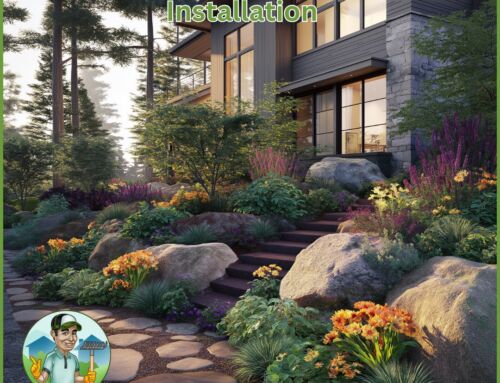
Natural stone offers a timeless appeal that complements horticultural plantings and outdoor living spaces. Gabion walls use wire-mesh containers filled with stone to create permeable structures that allow water to pass through while providing erosion control. These systems work particularly well in areas requiring both drainage and slope stabilization.
Alternative Materials and Applications
Pavers and specialized brickwork provide additional aesthetic options for shorter walls that prioritize garden design over structural requirements. These materials are well-suited to terracing projects where multiple low walls create planted areas rather than single tall structures.
How Do Drainage Systems Prevent Wall Failure?
Proper water management represents the most critical factor in long-term wall performance and structural stability.
French Drains and Water Management
French drains installed behind walls collect groundwater before it can build pressure against the structure. These drainage systems direct water to safe discharge points, preventing the hydrostatic pressure that causes most wall failures. Professional installations include proper grading and outlet systems that function reliably over time.
Stormwater Management Integration
Comprehensive stormwater management assesses how retained areas will manage surface runoff during heavy rainfall. This might include permeable paving in terraced areas, culverts to direct water flow, and sediment control measures to prevent clogging of the drainage system. Some projects require sump pumps to manage groundwater in low-lying areas.
What Role Does Terracing Play in Slope Management?
Strategic terracing transforms steep slopes into usable space while providing superior erosion control compared to single large walls.
Multi-Level Design Benefits
Terracing distributes soil loads across multiple smaller walls rather than concentrating pressure on single tall structures. This approach is often more cost-effective and creates diverse planting opportunities and outdoor living spaces at different levels. Each terrace can serve specific functions, from vegetable gardens to seating areas.
Vegetative Cover and Ground Improvement
Terraced areas provide opportunities to establish vegetative cover, which further enhances soil stabilization. Deep-rooted plants, combined with geotextiles and proper drainage, create integrated systems that improve over time. Strategic plant selection can reduce maintenance while providing year-round erosion protection.
How Do Geotextiles Enhance Wall Performance?
Modern geotextile materials significantly improve wall longevity and performance through advanced soil reinforcement techniques.
Soil Reinforcement Applications
Geotextiles placed between soil layers during construction create composite systems stronger than either material alone. These synthetic fabrics distribute loads more evenly while allowing water to move, preventing pressure buildup. Different geotextile types serve specific functions, from separation to filtration and reinforcement.
Settlement Control and Long-Term Stability
Proper geotextile installation prevents soil compaction, which can lead to uneven settlement and structural problems. These materials retain their properties for decades, delivering consistent performance that protects initial construction investments. They work particularly well in conjunction with gabion systems and permeable drainage solutions.
What Construction Challenges Require Professional Expertise?
Complex retaining wall projects involve engineering considerations that require experienced contractors and proper planning.
Site Analysis and Engineering
Professional site analysis includes soil testing, drainage evaluation, and load calculations that determine appropriate wall types and construction methods. Poor soil conditions may require ground improvement techniques before construction begins. Engineers consider factors like frost depth, seismic activity, and adjacent structures when developing construction plans.
Integration with Existing Landscape Features
Successful projects integrate seamlessly with existing landscaping and hardscaping features. This includes coordinating with irrigation systems, preserving valuable plants, and maintaining access for ongoing garden maintenance. Professional contractors understand how to work around established features while achieving necessary soil stabilization goals.
How Do You Maintain Walls for Long-Term Performance?
Proper maintenance protects your investment and ensures continued erosion-control effectiveness.
Regular inspection of the drainage system prevents clogs that could cause water backup and structural damage. This includes clearing debris from French drains and ensuring outlet areas remain functional. Vegetative cover requires seasonal care to maintain root systems that provide ongoing soil stabilization benefits.
Monitor for signs of settlement or movement that might indicate drainage problems or soil issues. Address minor problems promptly to prevent major structural failures that require complete reconstruction.
Planning Your Retaining Walls Project Successfully
Effective retaining walls combine engineering expertise with landscape design principles to create structures that provide decades of reliable erosion control while enhancing property functionality and value.
From initial site analysis through final planting and drainage system installation, professional construction ensures these critical landscape elements perform their intended functions while complementing your property’s overall aesthetic vision and practical needs.
Frequently Asked Questions
How tall can a retaining wall be without a permit?
Most areas allow walls up to 3-4 feet tall without a permit, but requirements vary by location. Taller walls typically need engineering and permits.
What’s the most cost-effective retaining wall material?
Concrete blocks offer the best balance of affordability and durability, while natural stone costs more but provides a premium appearance.
How long do retaining walls last?
Properly built walls with good drainage can last 50-100 years, depending on materials and environmental conditions.
Do retaining walls need drainage?
Yes, proper drainage is critical. Walls without adequate drainage systems often fail within a few years due to water pressure buildup.
Can I build a retaining wall myself?
Small walls under 3 feet are possible DIY projects, but taller walls or those on slopes require professional engineering and installation.
How much does retaining wall construction cost?
Costs range from $15-25 per square foot for basic concrete block walls to $40-80+ per square foot for natural stone installations.