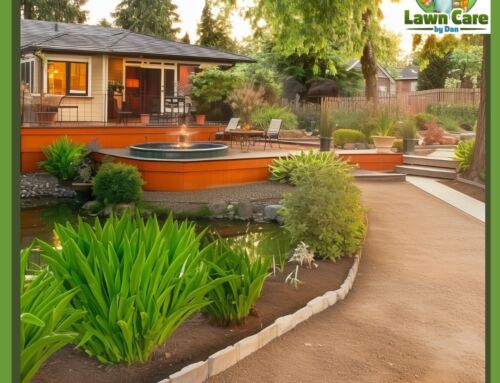
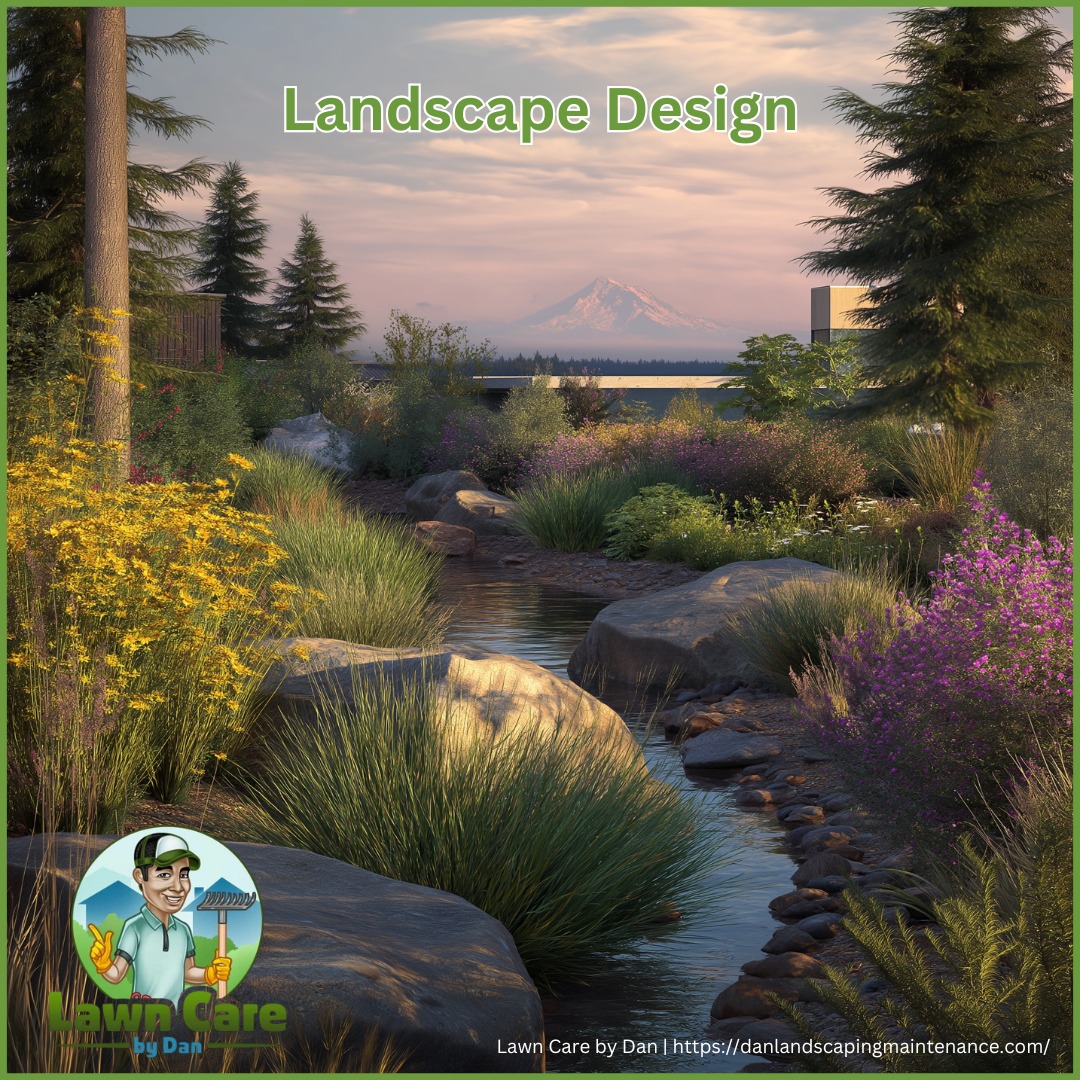
Landscape design transforms ordinary outdoor spaces into functional, aesthetically pleasing environments that reflect your personal style while enhancing property value. This comprehensive approach to outdoor planning combines artistic vision with scientific principles from horticulture, environmental design, and site analysis to create sustainable, beautiful spaces that thrive for years to come.
What Is the Difference Between Garden Design and Landscape Architecture?
Understanding the scope of various design disciplines helps property owners make informed decisions about their outdoor projects. While these fields overlap, each brings unique expertise to the creation of outdoor spaces.
Garden Design Focus
Garden design typically concentrates on plant selection, color schemes, and seasonal interest within defined areas. Garden designers excel at creating cohesive planting schemes that provide year-round beauty while considering factors like bloom times, foliage textures, and mature plant sizes. Their expertise in botany and plant science ensures appropriate species selection for specific growing conditions.
Landscape Architecture Scope
Landscape architecture encompasses broader site planning considerations, including grading, drainage, circulation patterns, and integration with existing structures. These professionals often work on larger projects involving urban planning, public spaces, and complex environmental design challenges. They combine knowledge of sustainable design principles with technical expertise in areas like green infrastructure and water management.
How Do You Choose the Right Plants for Your Climate?
Successful plant selection forms the foundation of any thriving outdoor space. Understanding your local growing conditions and environmental factors ensures long-term success while minimizing maintenance requirements.
Native Plants and Regional Adaptation
Native plants offer numerous advantages for sustainable landscaping projects. These species evolved in local conditions and require less water, fertilizer, and pest control than non-native alternatives. They also support local wildlife populations and contribute to regional ecosystem health. Professional designers understand which native species work best in specific microclimates and soil conditions.
Drought-Tolerant and Water-Efficient Options
Xeriscaping principles emphasize water-efficient landscaping through strategic plant selection and design. Drought-tolerant plants reduce irrigation needs while providing stunning visual interest through varied textures, forms, and colors. Successful xeriscaping incorporates mulching techniques that conserve soil moisture and suppress weeds naturally.
What Role Does Hardscaping Play in Outdoor Spaces?
Hardscaping elements provide structure and functionality that complement softscaping components. These permanent features create the framework around which plant materials are arranged.
Structural Elements and Materials
Retaining walls serve both functional and aesthetic purposes, controlling erosion while creating terraced planting areas. Paving materials for walkways, patios, and driveways should complement architectural styles while providing safe, durable surfaces. Professional installation ensures proper drainage and longevity for these significant investments.
Outdoor Living Integration
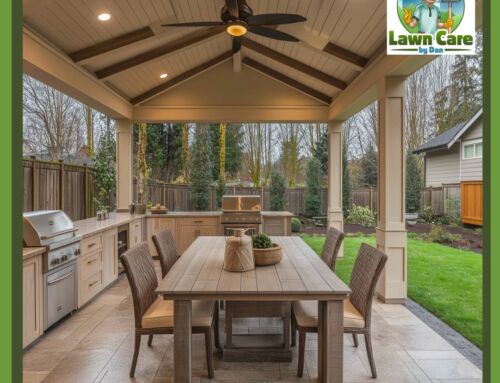
Modern outdoor living spaces extend the functionality of the home into garden areas. Patio design considerations include traffic flow, privacy, sun exposure, and connections to indoor spaces. Outdoor kitchens require careful planning for utilities, storage, and weather protection. Pergola installation adds vertical interest while providing partial shade for dining and relaxation areas.
How Can You Create Sustainable and Eco-Friendly Landscapes?
Sustainable landscaping practices benefit both property owners and the environment by reducing resource consumption and improving ecosystem function.
Water Conservation Strategies
Rainwater harvesting systems capture and store precipitation for landscape irrigation, reducing dependence on municipal water supplies. Proper soil preparation improves water retention and reduces runoff. Irrigation systems designed for water efficiency deliver precise amounts to specific plant zones, minimizing waste.
Organic and Natural Approaches
Composting transforms kitchen scraps and yard waste into valuable soil amendments that naturally improve plant health. Permaculture principles create self-sustaining garden ecosystems that require minimal external inputs. These approaches reduce chemical dependency while creating healthier soil and plant communities.
What Are the Key Elements of Successful Site Planning?
Thorough site analysis provides the foundation for successful outdoor projects. Understanding existing conditions helps designers create appropriate solutions that work with natural systems rather than against them.
Environmental Factors
Site analysis includes evaluation of soil conditions, drainage patterns, sun exposure, wind patterns, and existing vegetation. These factors directly influence plant selection, irrigation needs, and structural placement decisions. Professional assessment often reveals opportunities and constraints that aren’t obvious to untrained observers.
Integration with Architecture
Successful designs create seamless connections between buildings and landscapes. This integration considers architectural styles, materials, colors, and proportions to ensure cohesive overall appearance. Urban landscaping projects must also consider space limitations, privacy needs, and maintenance access.
How Do You Plan for Long-Term Garden Maintenance?
Sustainable design includes consideration of ongoing care requirements. Well-planned landscapes reduce maintenance while maximizing enjoyment and beauty.
Maintenance-Friendly Design Choices
Strategic plant placement reduces pruning and replacement needs. Mulching techniques suppress weeds, conserve moisture, and improve soil health over time. Proper spacing allows plants to reach mature sizes without overcrowding, reducing the need for frequent divisions or removals.
Seasonal Care Planning
Understanding seasonal care requirements helps property owners budget time and resources appropriately. This includes planning for tasks like soil preparation, fertilization schedules, and winter protection measures. Designers can recommend low-maintenance alternatives that still provide desired aesthetic results.
What Trends Are Shaping Modern Outdoor Design?
Contemporary outdoor spaces reflect changing lifestyle needs and environmental consciousness. Understanding current trends helps create spaces that feel fresh and relevant while maintaining timeless appeal.
Modern trends emphasize outdoor living functionality, with increased demand for deck construction that creates seamless indoor-outdoor transitions. Sustainable gardening practices are becoming standard rather than optional, driven by both environmental concerns and practical benefits. Urban planning initiatives increasingly recognize the importance of green infrastructure in creating livable communities.
Creating Your Perfect Landscape Design
Professional landscape design combines artistic vision with scientific knowledge to create outdoor spaces that enhance daily life while supporting environmental health. Whether your project involves comprehensive garden landscaping or focused improvements to specific areas, working with experienced designers ensures results that exceed expectations.
From initial site analysis through final plant installation and outdoor furniture placement, thoughtful design creates landscapes that provide lasting beauty, functionality, and enjoyment for years to come.
Frequently Asked Questions
What’s the difference between landscape design and landscape architecture?
Landscape design focuses on plant selection and garden aesthetics, while landscape architecture includes broader site planning, grading, and infrastructure considerations.
How much does professional landscape design cost?
Design fees typically range from $1,000 to $ 5,000 for residential projects, depending on property size and complexity.
Do I need a landscape design before planting?
While not required, professional design prevents costly mistakes and ensures plants thrive in their chosen locations.
How long does the landscape design process take?
Most residential designs take 2-4 weeks from initial consultation to final plan delivery.
Can landscape design address drainage issues?
Yes, professional designers address drainage issues through grading, plant selection, and strategic placement of hardscape elements.
What’s included in a landscape design plan?
Complete plans typically include plant lists, layout drawings, maintenance guidelines, and, often, 3D renderings to visualize the finished space.